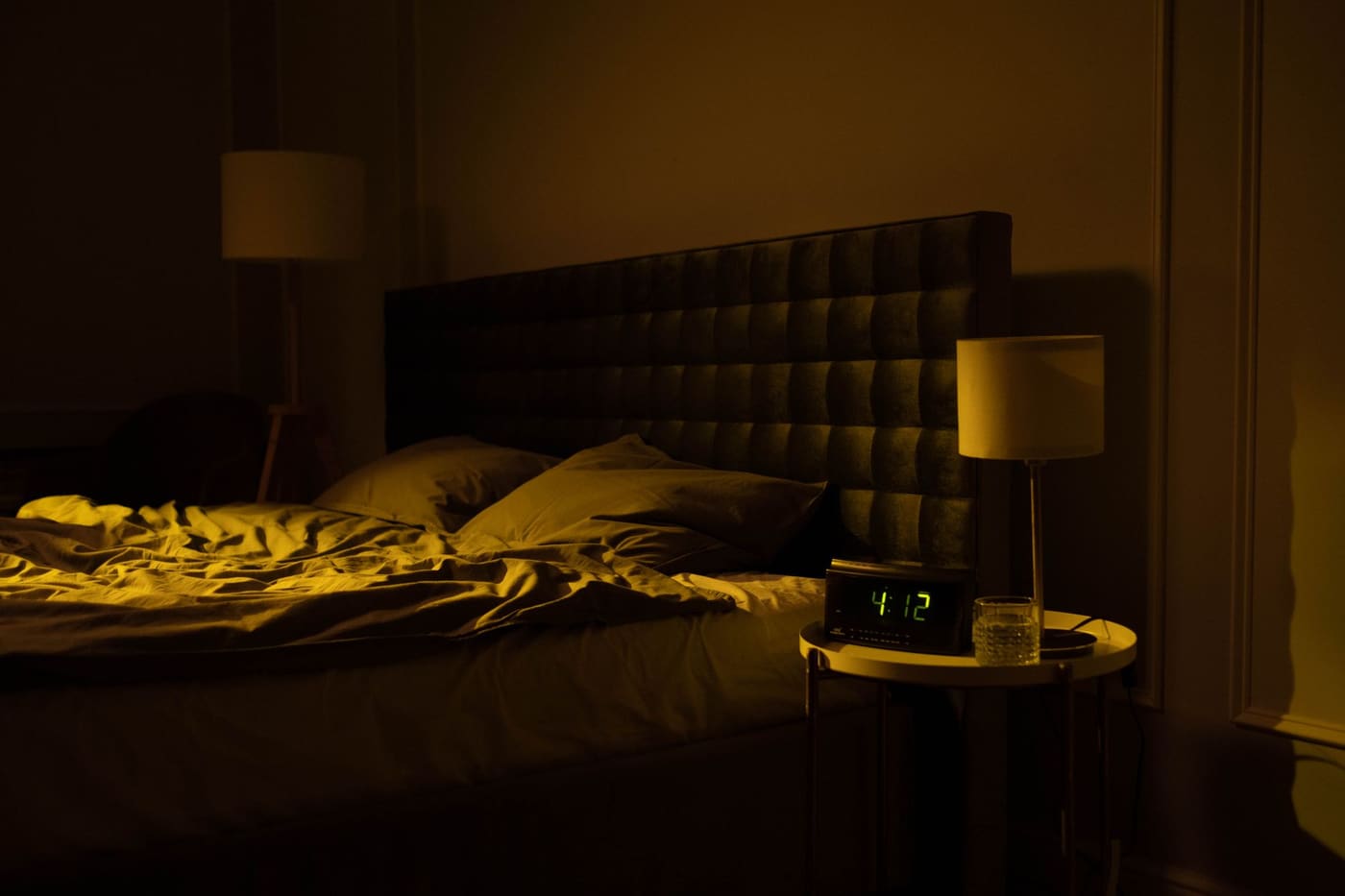
If you wake too early and cannot fall back asleep, stop checking the clock, keep the lights low, and rest quietly for a while. If you are still wide awake and getting frustrated after what feels like about 20 minutes, get up, do something quiet and dull in dim light, and go back to bed when you feel sleepy. Trying hard to force sleep usually raises alertness and makes the problem last longer.
An occasional early waking is normal. The aim is to stop one short night from turning into a pattern. The advice here is the same behavioral approach used in cognitive behavioral therapy for insomnia, which medical bodies recommend as the first treatment for ongoing insomnia.
Why you wake up too early
Sleep tends to be lighter in the second half of the night. REM sleep is more concentrated in the early morning hours, and the pressure to sleep that built up during the day has largely been used up, so the early hours are the easiest time to wake. Common triggers include:
- Stress and worry. Anxious thoughts can pull you awake.
- Alcohol. It may help you fall asleep but often leads to lighter, more broken sleep later in the night.
- Light and noise. Early sun, traffic, birds or a partner getting up can wake you, especially in a bright room.
- A warm room. Overheating is a common reason for waking.
- Bathroom trips and pain. Late fluids or discomfort can break sleep.
- Body clock shifts. The clock tends to move earlier as people get older, and evening naps or very early bedtimes can push waking earlier.
- Medicines and substances. Some medicines, late caffeine and nicotine can affect sleep. Raise concerns with a pharmacist or doctor instead of stopping anything yourself.
- Health conditions. Early waking can accompany depression, anxiety, thyroid problems, menopause symptoms and sleep apnea.
What to do right now
- Do not check the time. Clock watching sets off arithmetic (“only four hours left”) and stress. Turn the clock away.
- Keep the room dark and the lights low. Avoid bright bathroom lights and phone screens if you can. A dim night light helps if you need to move around.
- Lie quietly for a short while. Rest still has value even when you are not asleep. Try slow breathing, with a longer breath out than in, or a gentle body scan.
- Park your thoughts. If your mind is running through to-do lists, tell yourself you will deal with them at a set time later in the day.
- If you stay awake and frustrated, get up. Go to another room, sit in dim light and do something calm, such as reading a dull book or listening to quiet audio. Avoid work, news, social media and bright screens.
- Go back to bed only when sleepy. Repeat if needed. This technique, called stimulus control, keeps your bed linked with sleep rather than frustration.
If your alarm is due in half an hour or so, it is fine to stay in bed resting instead of starting the full routine.

If you wake with a racing heart or a sense of dread
Waking with strong anxiety is common and unpleasant. Slow breathing with a longer breath out, relaxing your jaw and shoulders, and noticing what you feel without arguing with it can take the edge off. Pay attention if this happens most nights, if the dread lingers during the day, or if it comes with persistent low mood. Raise those patterns with a doctor, and see the list at the end of this page.
How to tell which cause fits
| Pattern | What it may point to |
|---|---|
| You wake at about the same time every morning, then feel sleepy mid-morning | A body clock running early, or more time in bed than you need |
| You wake after drinking alcohol, or in a warm room | Alcohol or heat breaking up later sleep |
| You wake with worry and cannot switch off | Stress-related alertness |
| You wake with a dry mouth or headache, or a partner reports breathing pauses | A possible breathing problem; see a doctor |
| You wake with hot flashes or night sweats | Hormone or temperature-related disruption |
This is a rough guide for spotting patterns, not a diagnosis. A short sleep diary of bedtime, wake time, alcohol, caffeine and room conditions makes the pattern clearer.
What not to do
| Common reaction | Why it backfires |
|---|---|
| Scrolling your phone in bed | Light and engaging content raise alertness |
| Having a drink to get back to sleep | Alcohol tends to fragment later sleep |
| Lying in bed trying harder | Effort increases alertness, the opposite of what sleep needs |
| Sleeping in or napping long the next day | Weakens the next night’s drive to sleep |
| Stopping or changing medicines on your own | Can cause problems; ask a doctor or pharmacist |
Adjust your days to prevent it
What you do in the daytime shapes early waking more than any trick at 4 a.m.
- Keep a fixed wake time, weekends included, within about an hour. How circadian rhythm works explains why.
- Get daylight in the morning and keep evenings dim.
- Limit caffeine after early afternoon and keep alcohol away from bedtime.
- Keep the room cool, dark and quiet. Blackout curtains, a sleep mask or earplugs help if light or noise wakes you.
- Set aside a worry period earlier in the evening: write down concerns and one next step for each.
- Exercise regularly, preferably earlier in the day.
- Do not add extra time in bed to make up for a short night. Too much time in bed can make sleep lighter and more broken.
Check your time in bed
If you go to bed at 9:30 p.m. and wake at 4:30 a.m. every day, that is seven hours, which may be all your body wants. The CDC and the American Academy of Sleep Medicine advise adults to get at least seven hours, and some people need more or less. If you feel fine in the daytime, early waking after a long stretch in bed may simply mean your bedtime is earlier than your sleep need requires. Moving bedtime later in small steps can help, as long as daytime function stays good. If you are exhausted despite long hours in bed, that is a different situation to discuss with a doctor.
Many of these principles overlap with trouble getting to sleep in the first place, so why you cannot fall asleep at night and sleep tips that actually help are good companions.
When it becomes chronic insomnia
Clinicians commonly consider insomnia a disorder when trouble getting to sleep, staying asleep or waking too early happens at least three nights a week for three months or more and causes daytime problems such as fatigue, poor concentration or low mood. The American College of Physicians and the American Academy of Sleep Medicine recommend cognitive behavioral therapy for insomnia (CBT-I) as the first treatment. It combines stimulus control, sleep scheduling and working on unhelpful beliefs about sleep, and it is available from clinicians, group programs and structured digital programs.
Medicines are sometimes used for insomnia, but the choice and the risks depend on the person, so discuss them with a doctor instead of self-medicating, particularly with over-the-counter sleep aids that can cause next-day grogginess.
When to see a doctor
See a doctor if:
- Early waking happens most nights for several weeks.
- You also have persistent low mood, loss of interest, hopelessness or intense anxiety.
- You snore loudly, gasp or wake choking, or you have morning headaches (see common signs of sleep apnea).
- Heartburn, pain or frequent urination keeps waking you.
- You have hot flashes interrupting sleep around menopause.
- Daytime sleepiness is affecting driving or work safety. Do not drive when drowsy.
Seek urgent help for chest pain or severe shortness of breath. If you are having thoughts of harming yourself, contact your local emergency number or a crisis line in your country right away.
Where this comes from
This page draws on the Centers for Disease Control and Prevention’s sleep guidance, the sleep-health information from the NIH’s National Heart, Lung, and Blood Institute, the American Academy of Sleep Medicine’s and American College of Physicians’ recommendations on cognitive behavioral therapy for insomnia, and the standard stimulus control technique used in that therapy. It is general information, not medical advice, and it was reviewed on 7 October 2026. Check the source organizations for current recommendations.